

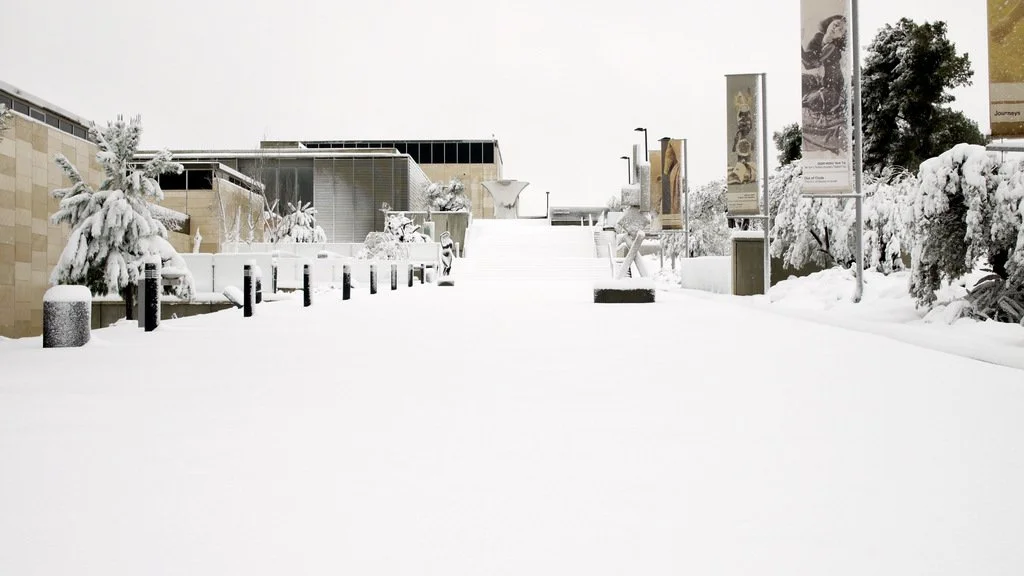
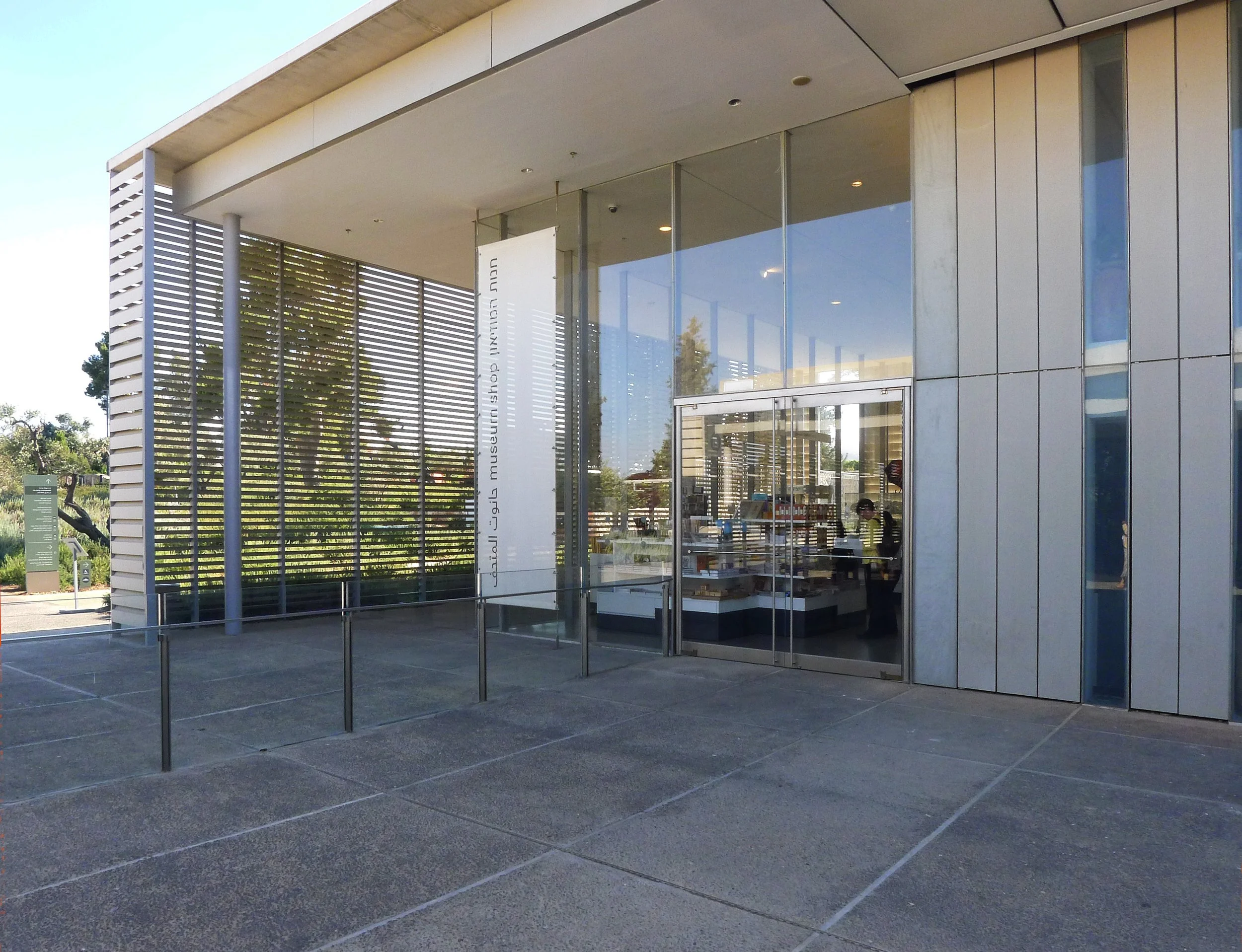
ISRAEL MUSEUM JERUSALEM
JERUSALEM, ISRAEL
AREA: 95,000 sf
PROGRAM: REORGANIZATION OF VISITOR CIRCULATION, visitor amenities, retail, new pavilions, AND landscape structures
DURATION: SPRING 2005–SUMMER 2010
CONSTRUCTION COST: $48,000,000
PROJECT DESIGNER: JAMES CARPENTER DESIGN ASSOCIATES, REID FREEMAN, PROJECT ARCHITECT
ARCHITECT OF RECORD: A. LERMAN Architects LTD.
AWARD: 2011 DOMUS ISRAEL DESIGN AWARD FOR ARCHITECTURE
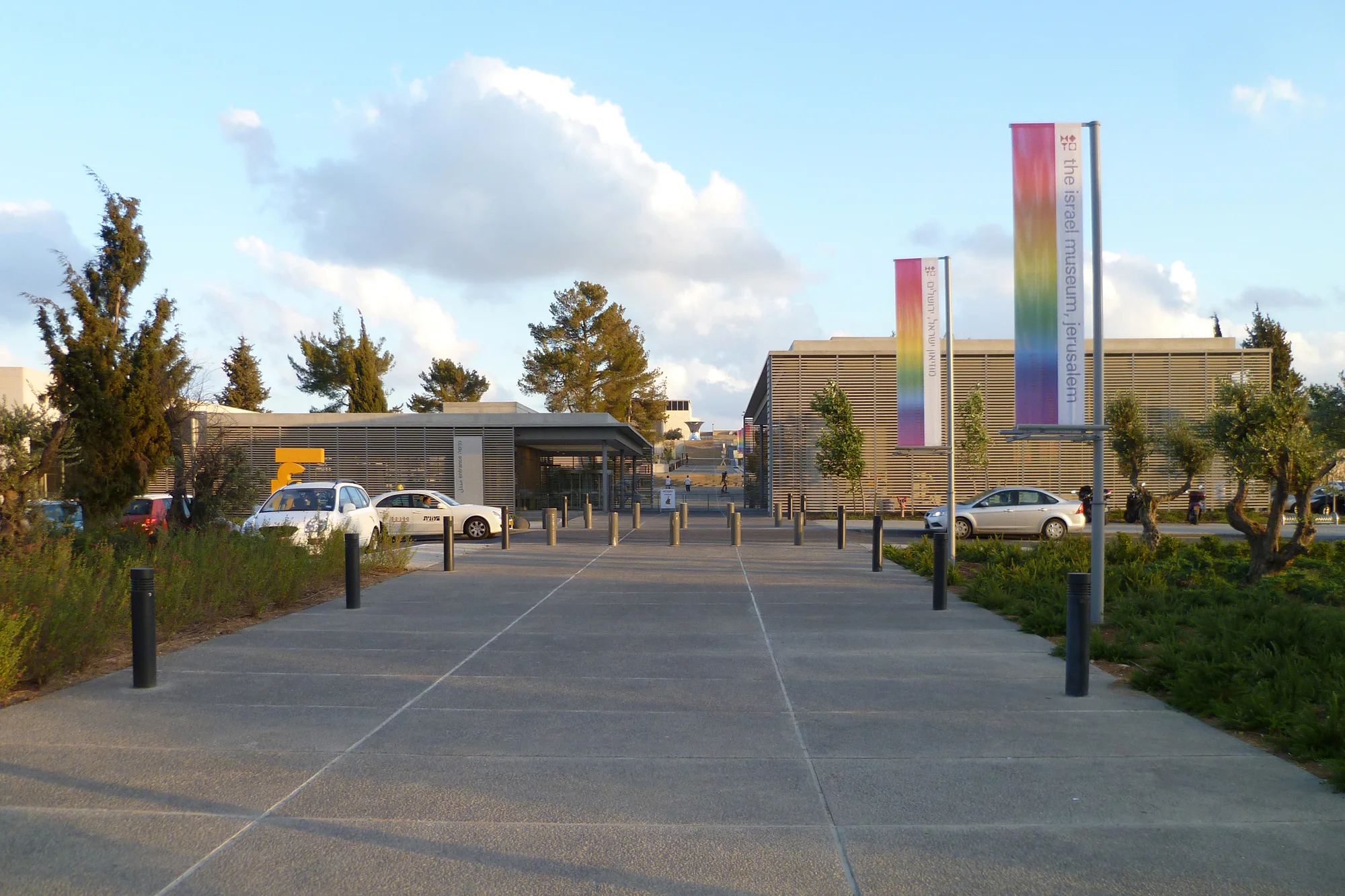
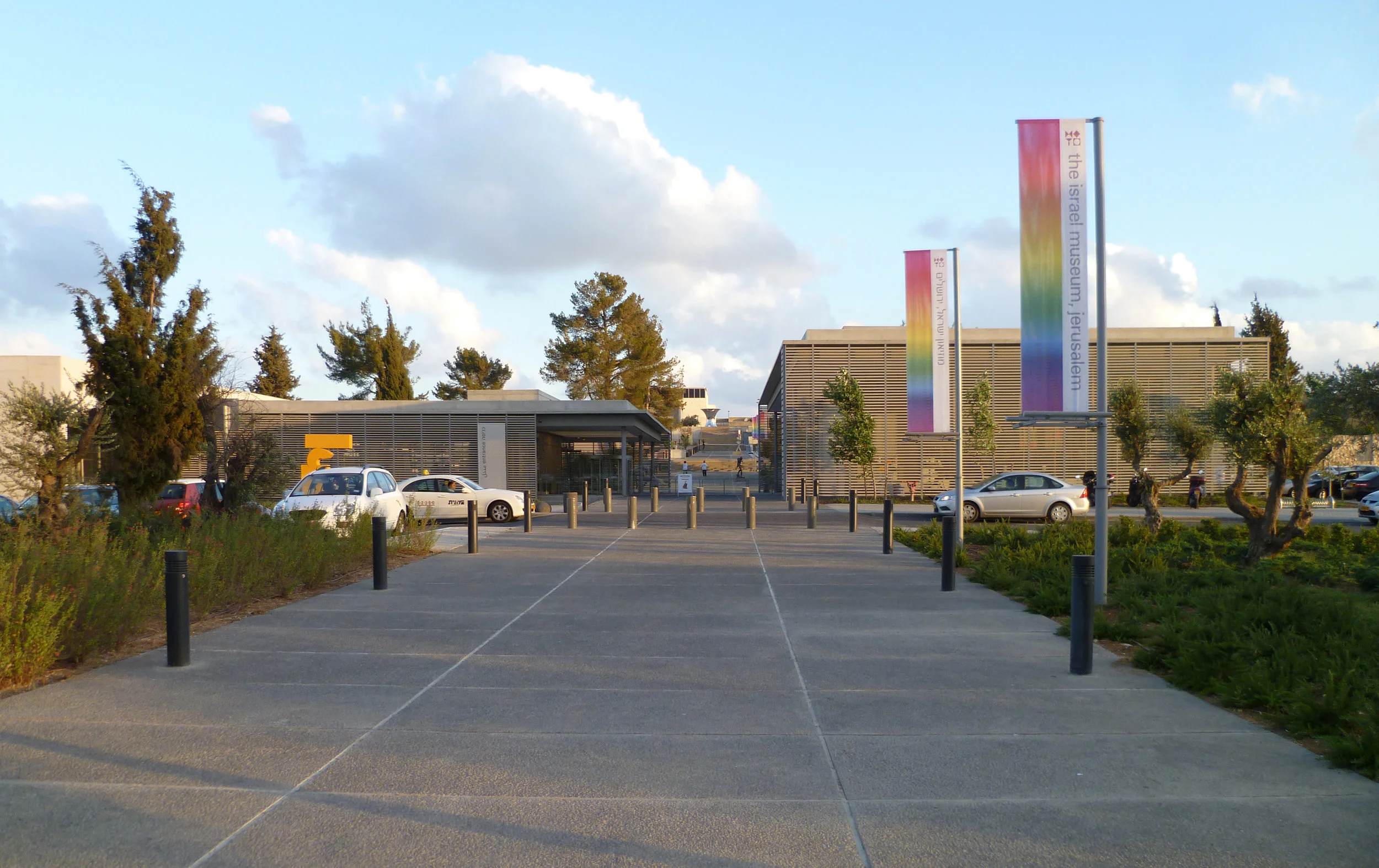
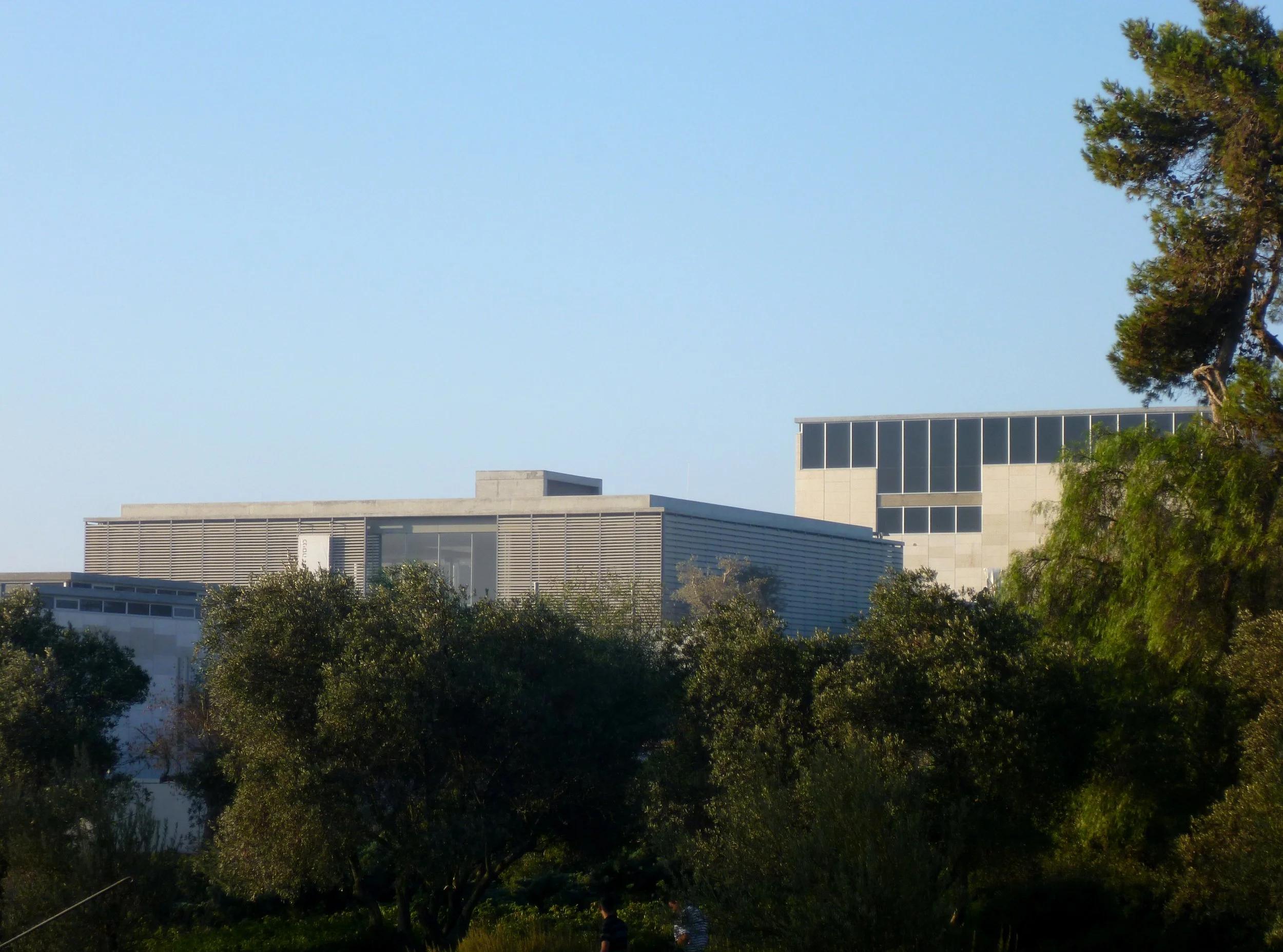
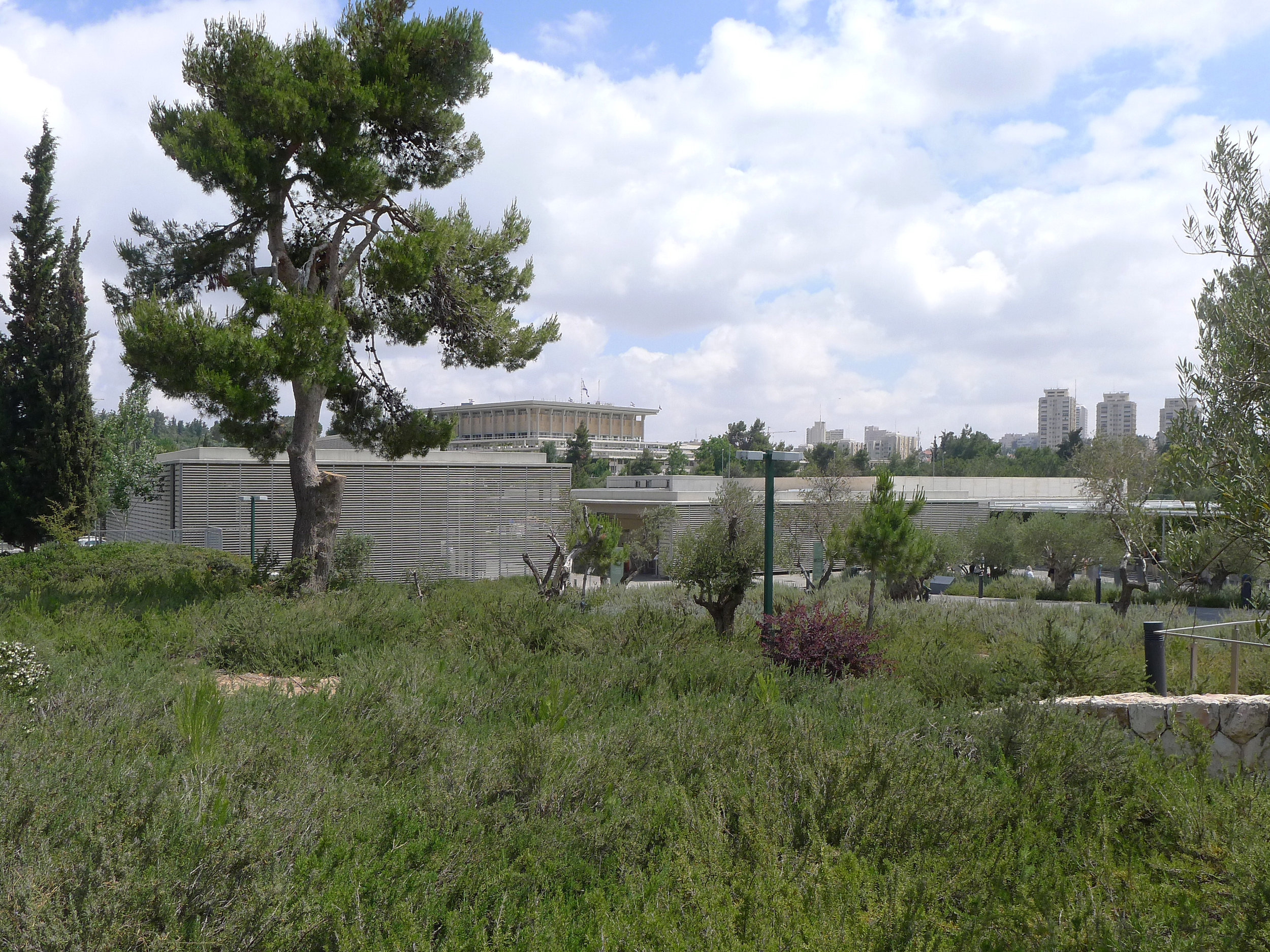
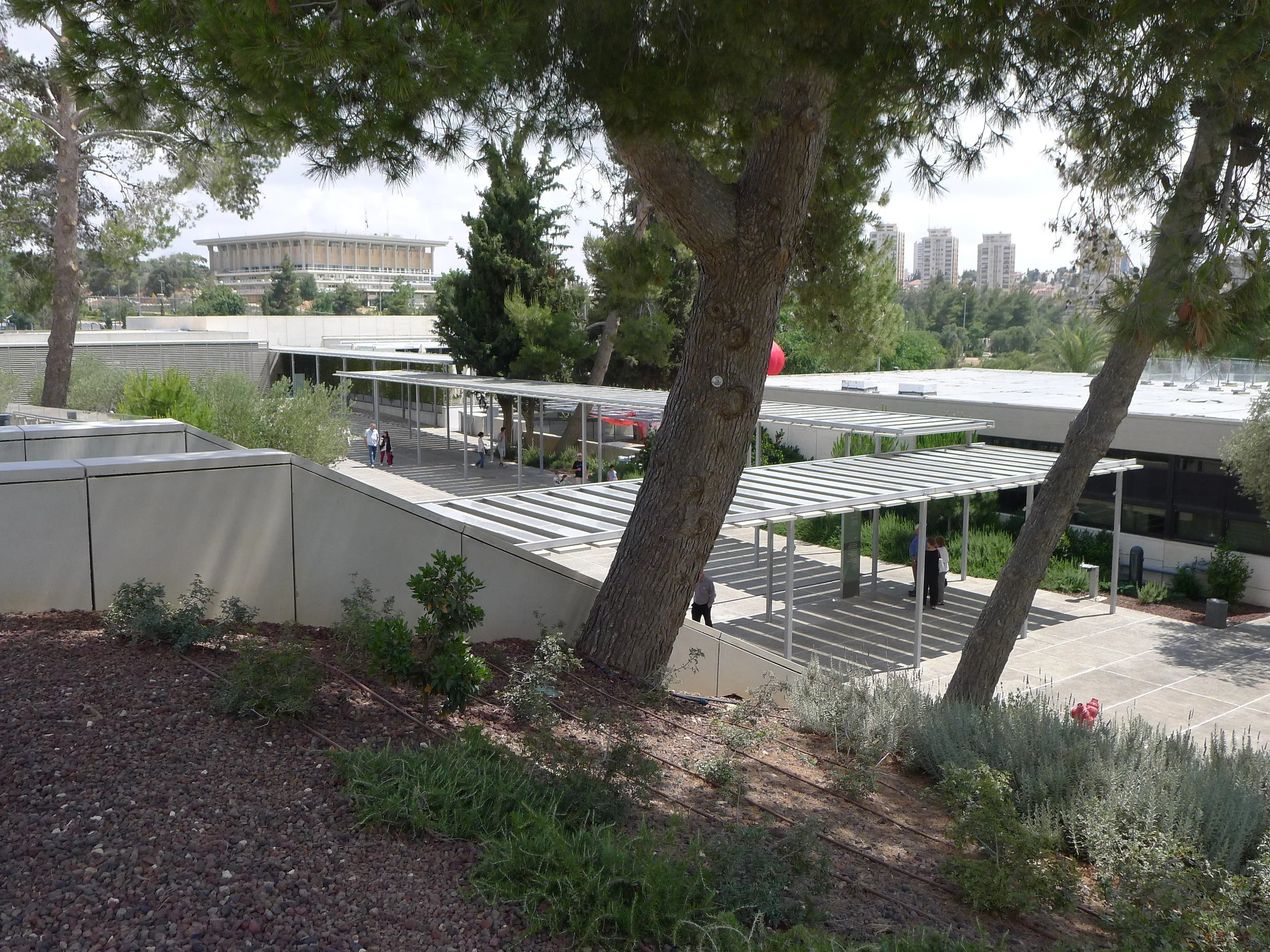
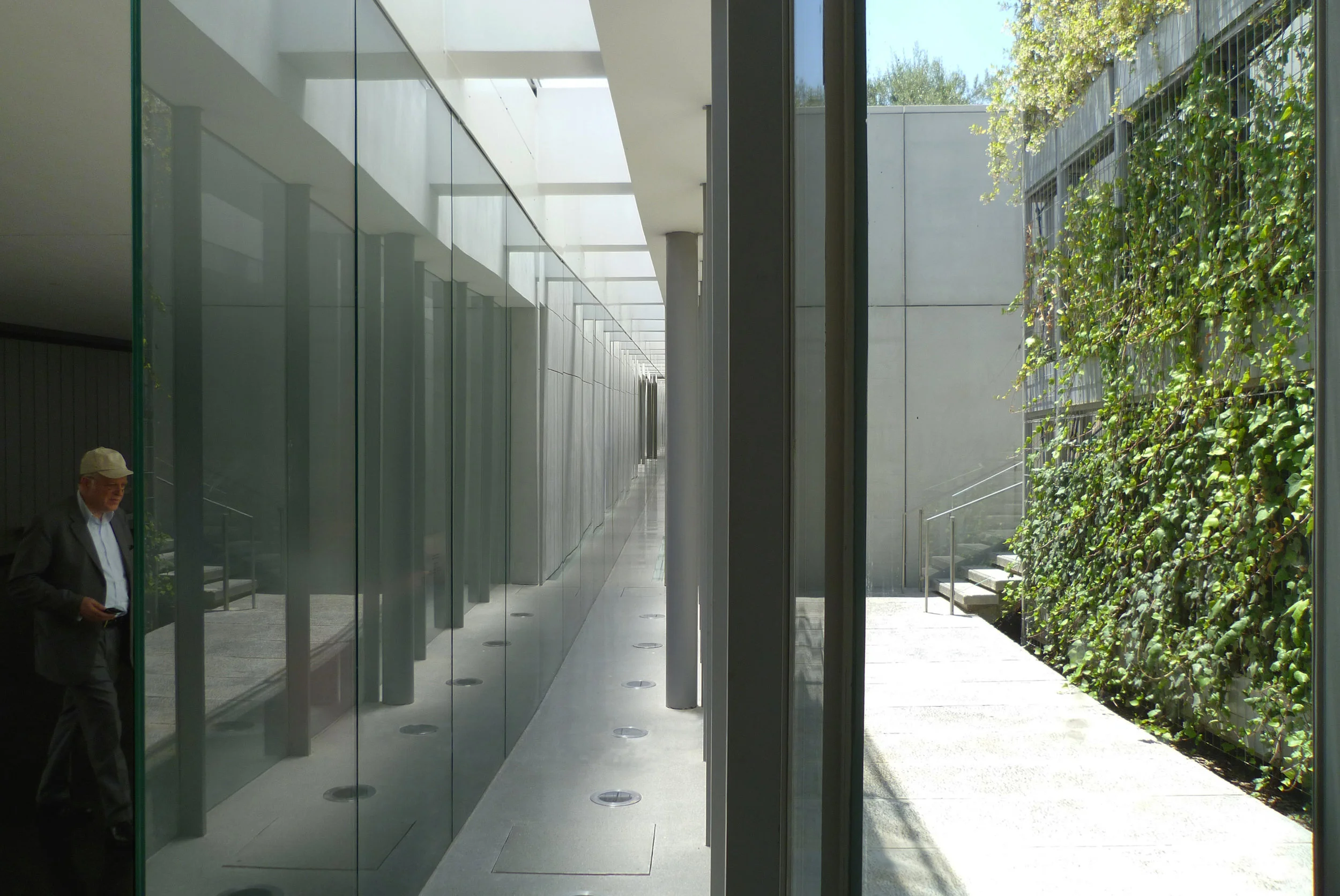
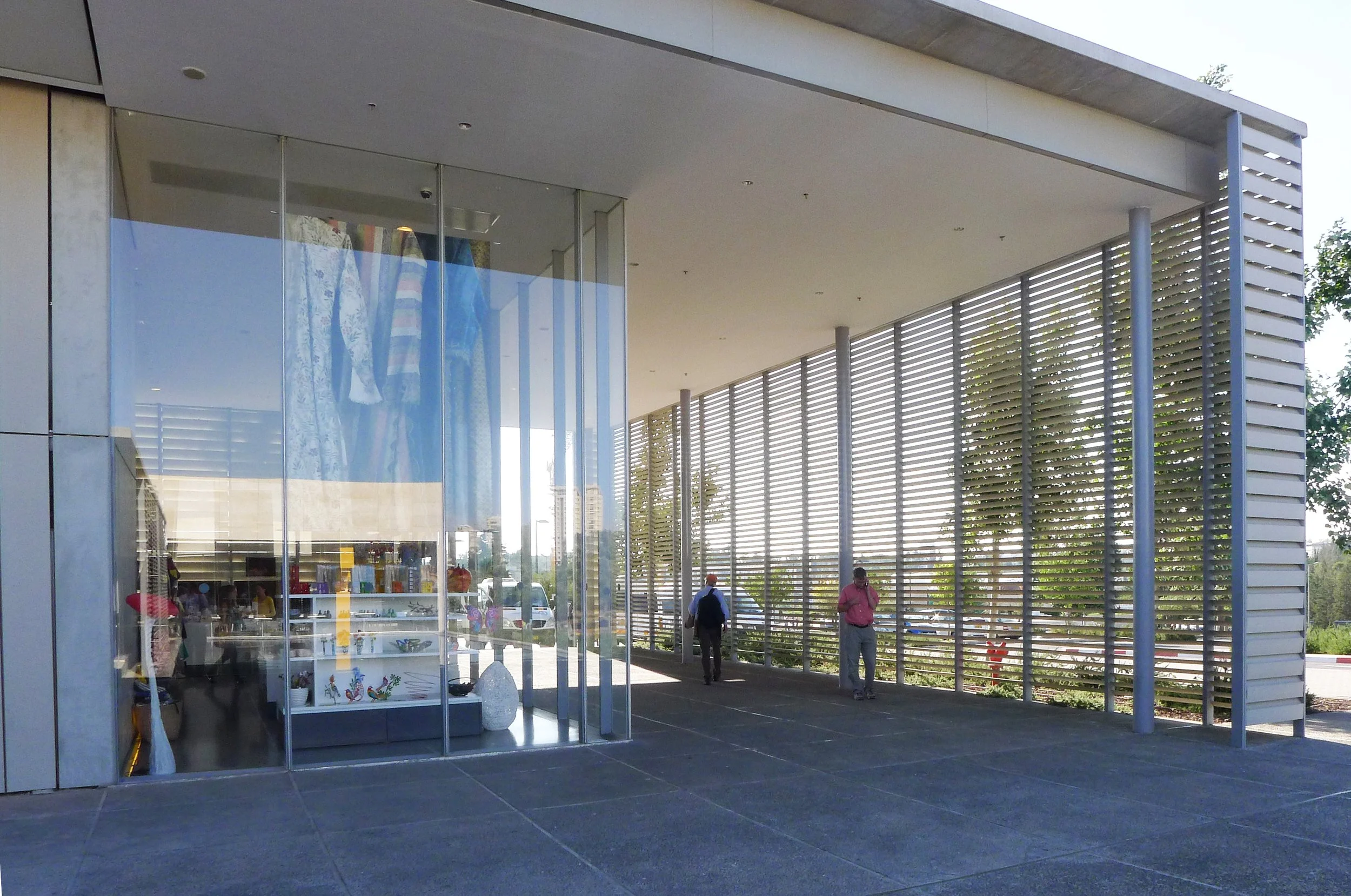
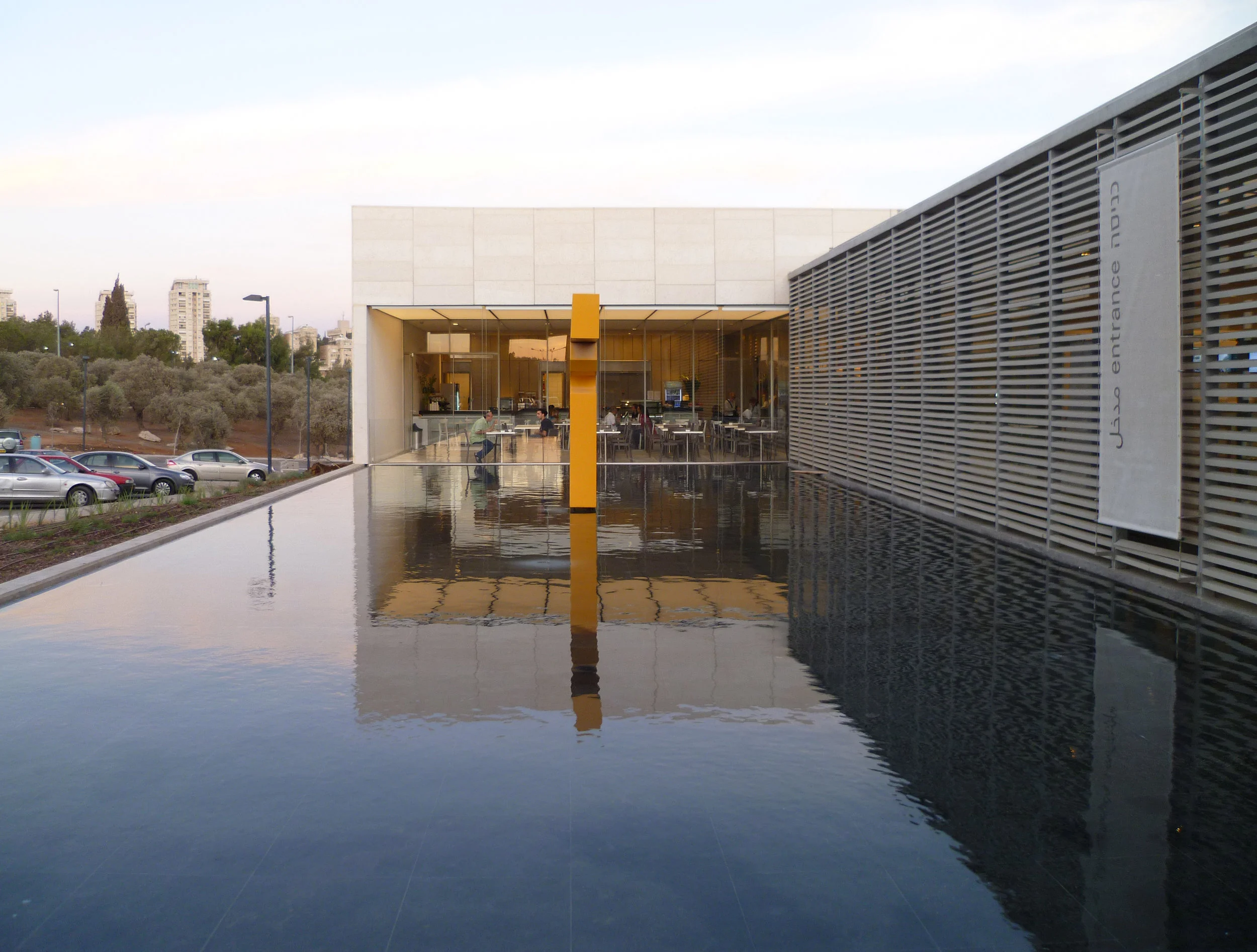
The museum renovation, circulation reorganization, and the addition of five new pavilion buildings seek to complement and conform to the museum’s original design concepts by Alfred Mansfeld. Other goals of the project were to enhance and display the unique qualities of Jerusalem light and to improve visitor experience by providing clarity to circulation and organization of space over the 20-acre campus. The form, structure, and detail of the four new glass pavilions, echo the modernist geometry of the Museum’s original buildings while providing a visual counterpoint to the stone-clad facades of the original exhibition spaces. Each glass pavilion is wrapped by terracotta louvers designed to redirect light and transmit a sense of the exterior landscape into the buildings while blocking solar gain and diffusing the transmission of direct light.
The Route of Passage addition brings visitors from the entry complex into the lowest level of the Gallery Entrance Pavilion and prepares them for the gallery viewing experience. The Gallery Entrance Pavilion provides vertical circulation to the Museum’s three collection wings and temporary exhibition galleries on its main floor, while also allowing visitors to reach Crown Plaza at the campus’ highest point.

CAMPUS PLAN AND BUILDING SECTIONS

PLANS OF PAVILIONS AT MUSEUM ENTRY
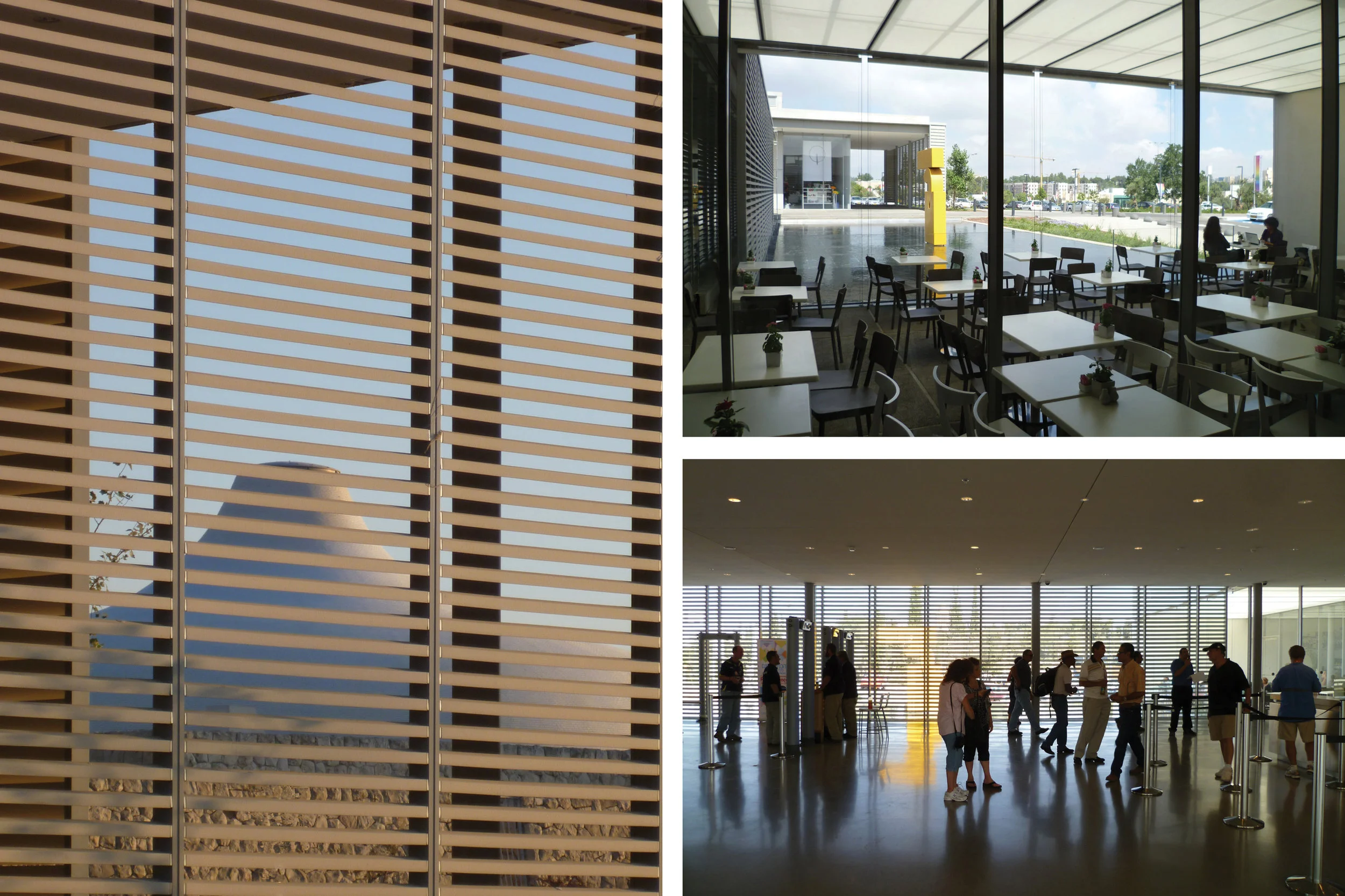
LEFT: VIEW OF SOUTH SCREEN AT RETAIL PAVILION; RIGHT: VIEW OF RETAIL PAVILION AND POOL FROM CAFE (TOP) AND SECURITY AND TICKETING (BOTTOM)
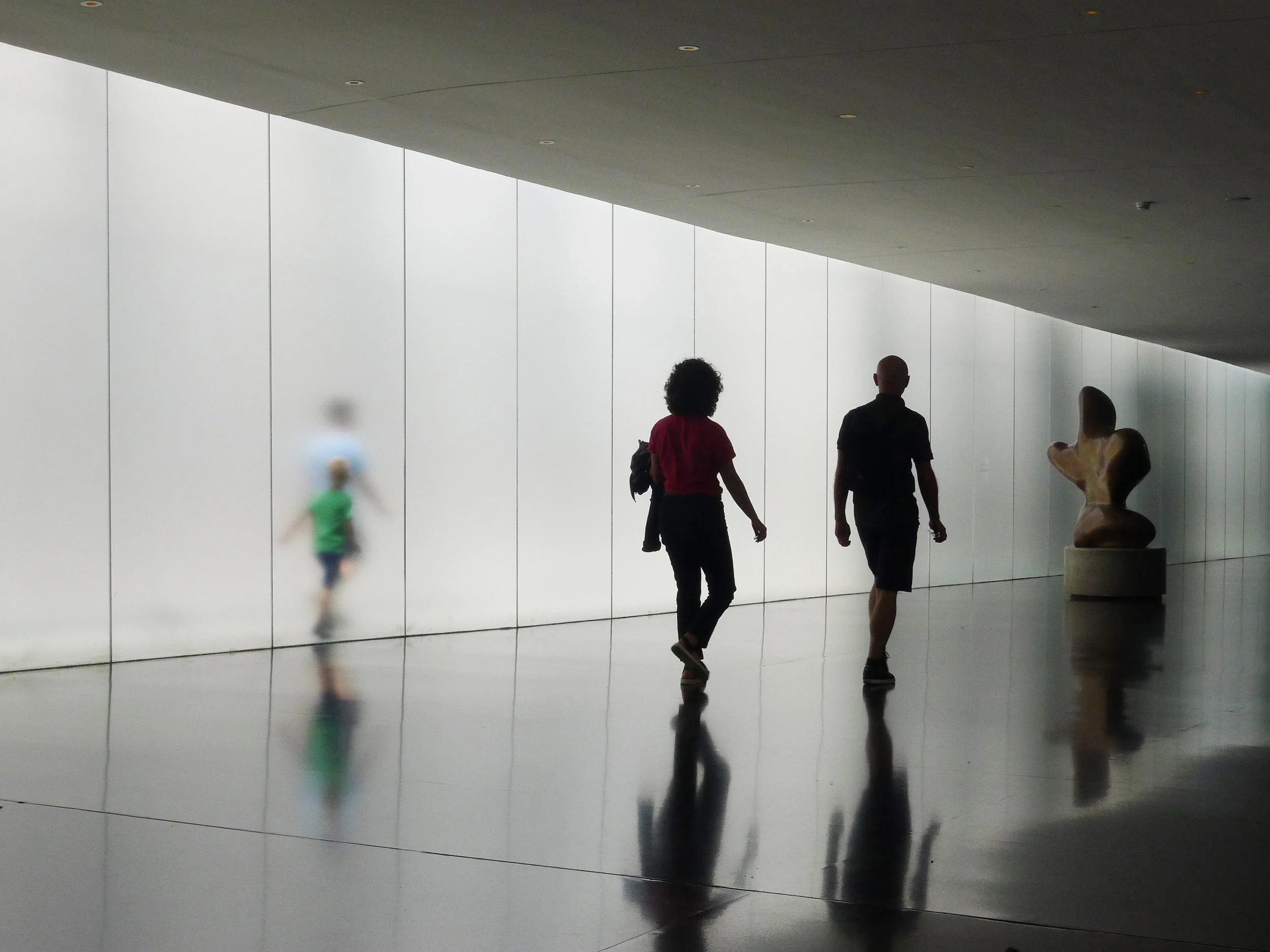
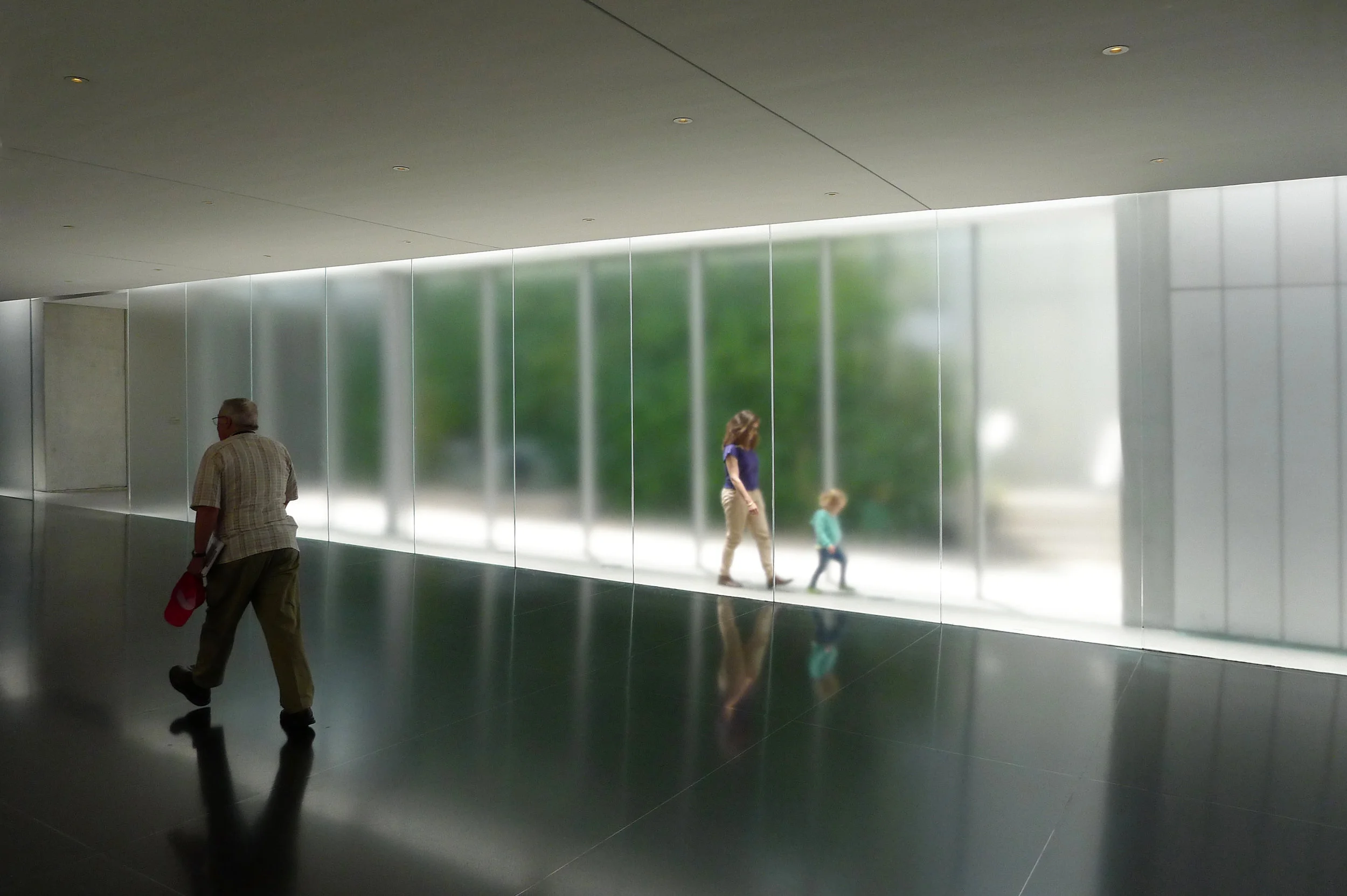
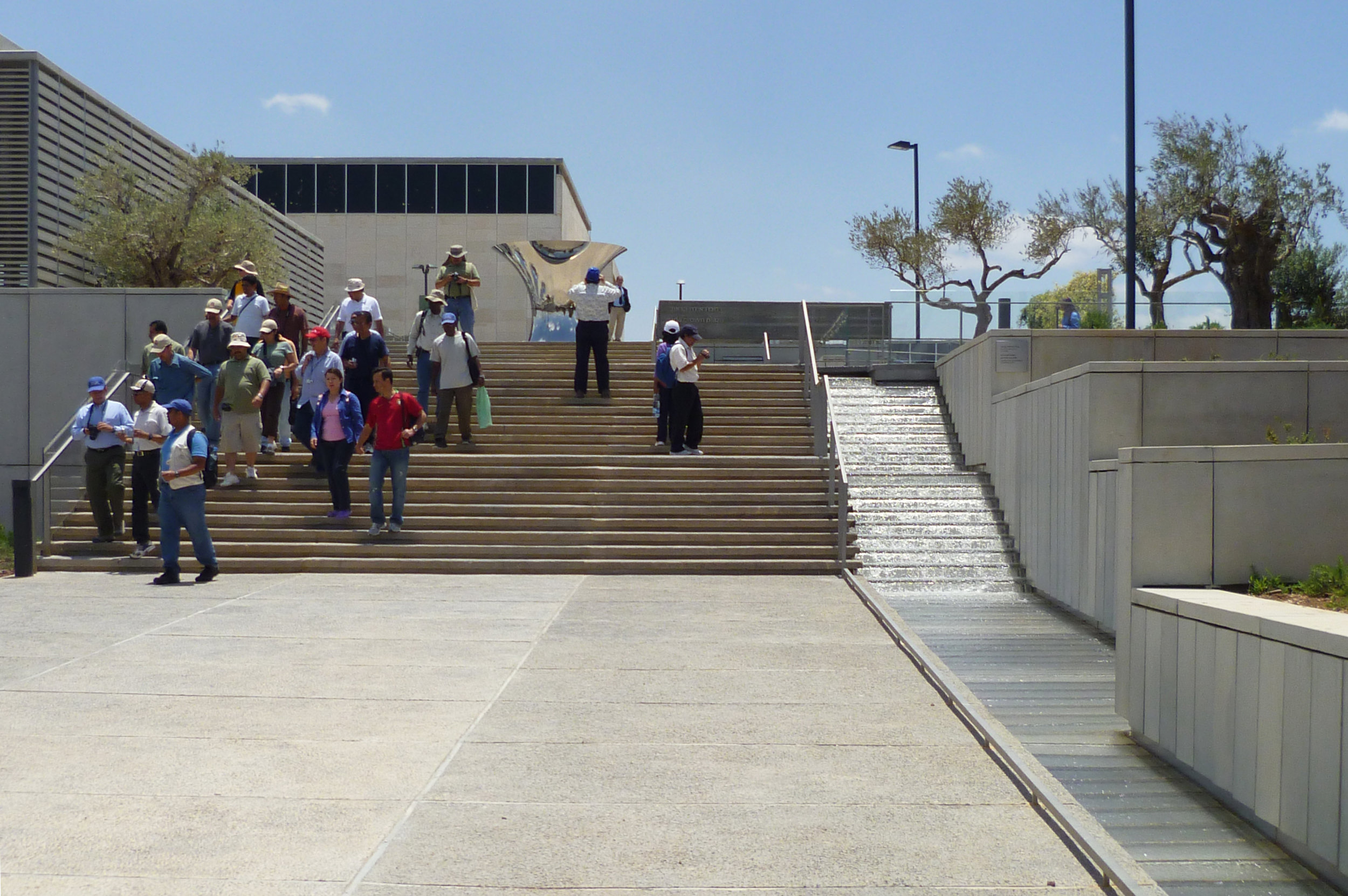
As visitors move through the entrance pavilions, they may reach the galleries either by ascending the Museum’s refurbished Carter Promenade or by entering the new Route of Passage, situated directly below the promenade. Leading visitors to the heart of the Museum, this below-ground transition is designed as a luminous and active visitor experience. The route is flanked on one side by a light slot revealed behind a continuous translucent glass wall. The prismatic cast glass skylight that encloses the light slot has a water-feature running along the Carter Promenade’s walkway that creates both a visual and aural connection between the below-ground passage and the exterior landscape of the Museum.
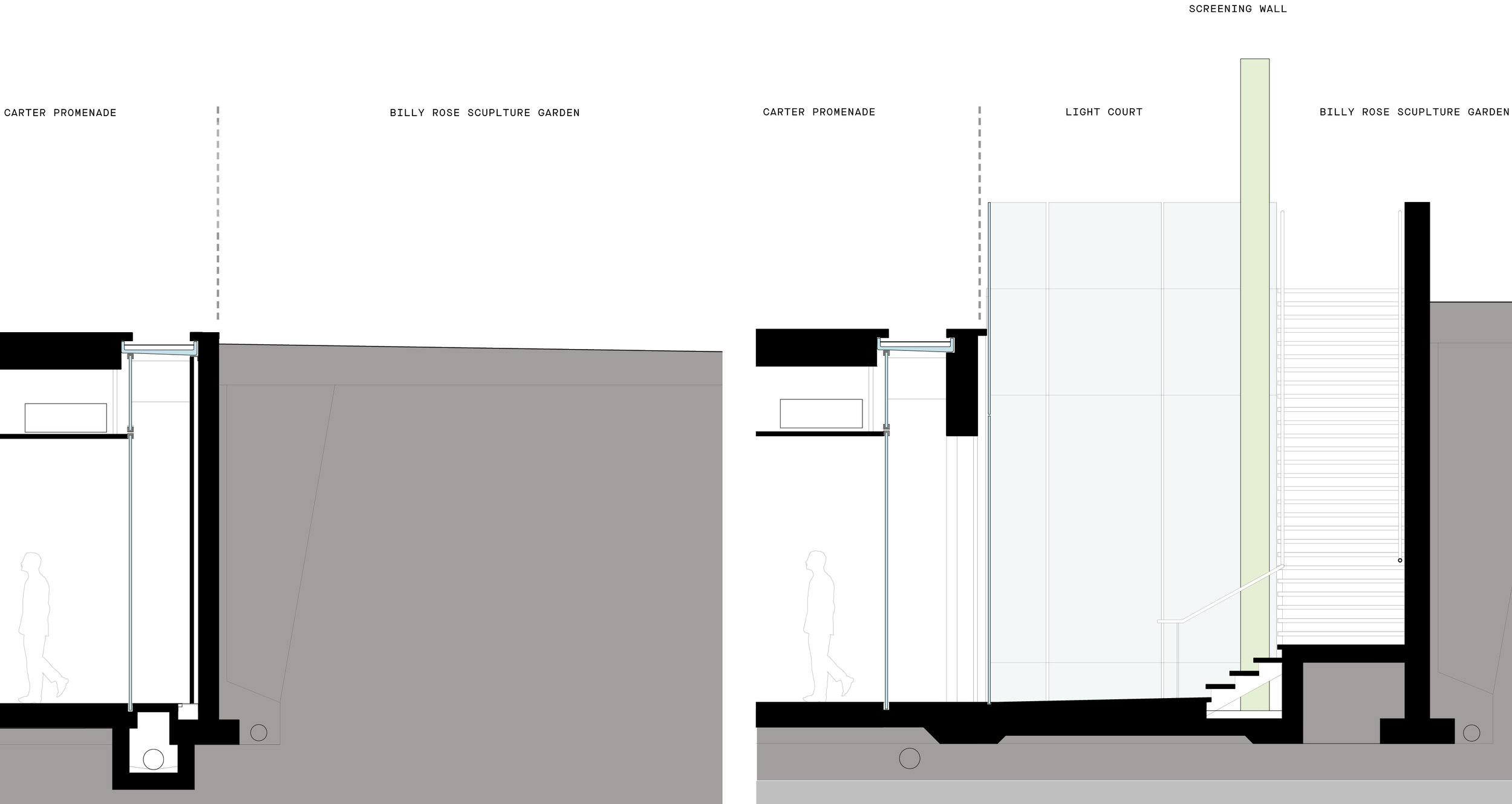
LEFT: TYPICAL SECTION THROUGH WATER FEATURE AND WEST LIGHT WALL AT ROP; RIGHT: SECTION THROUGH WATER FEATURE AND WEST COURTYARD
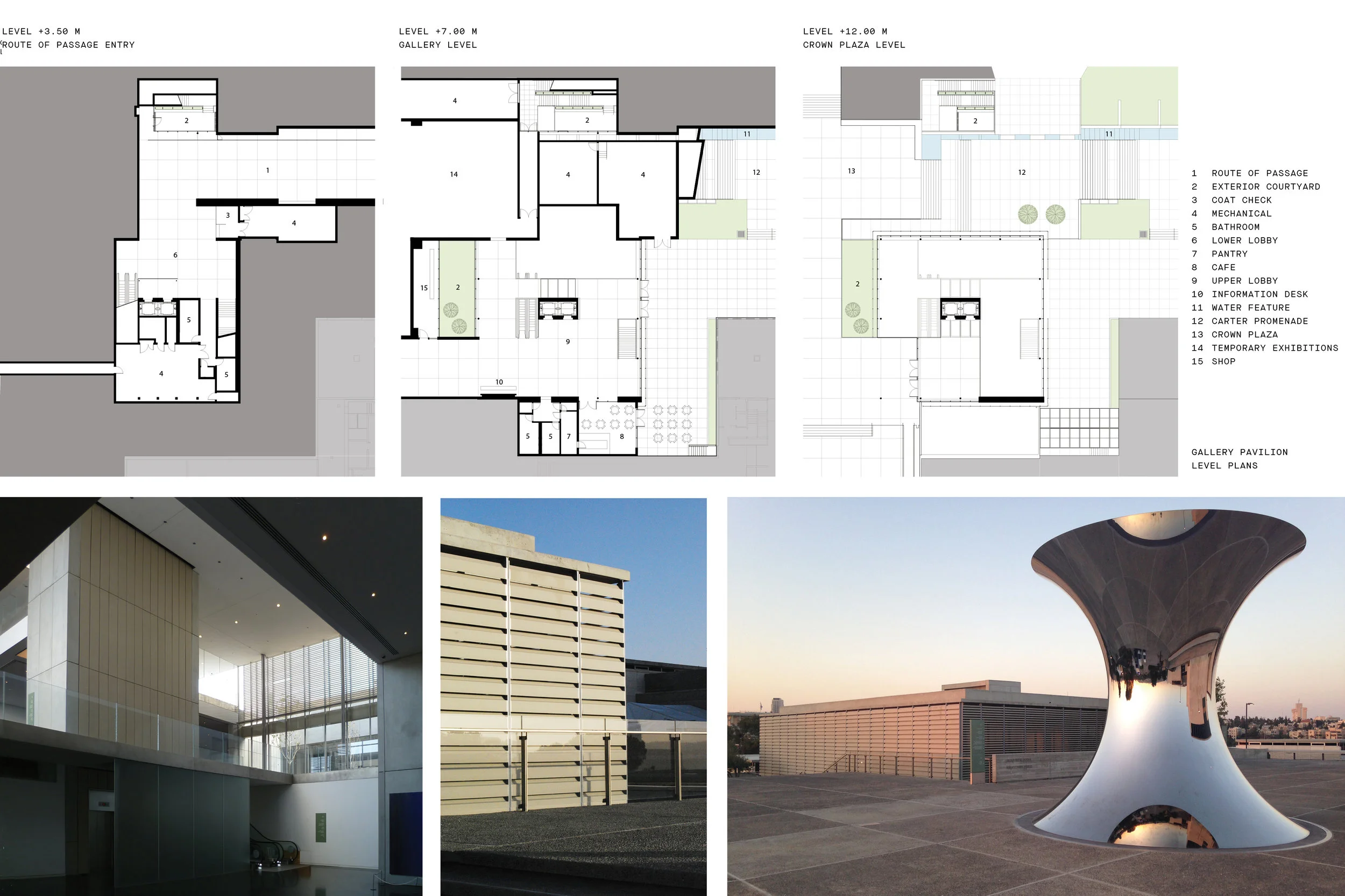
LEFT: GALLERY PAVILION INTERIOR; CENTER: WEST WALL OF GALLERY PAVILION; RIGHT: CROWN PLAZA

LEFT: SKYLIGHT AT GALLERY PAVILION CORE; RIGHT: EXTERIOR (TOP) AND INTERIOR (BOTTOM) VIEWS TO NORTH WALL OF GALLERY PAVILION
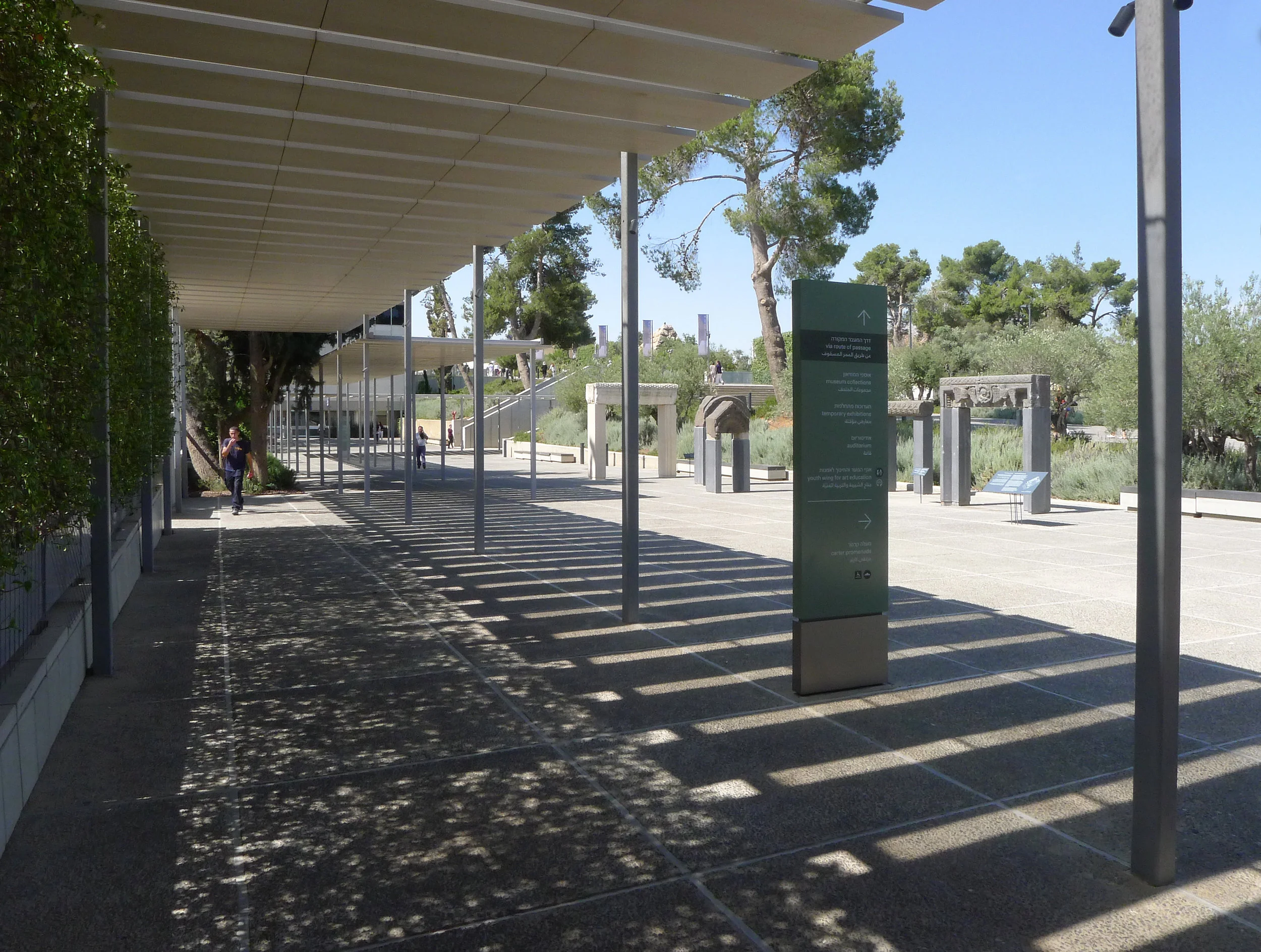
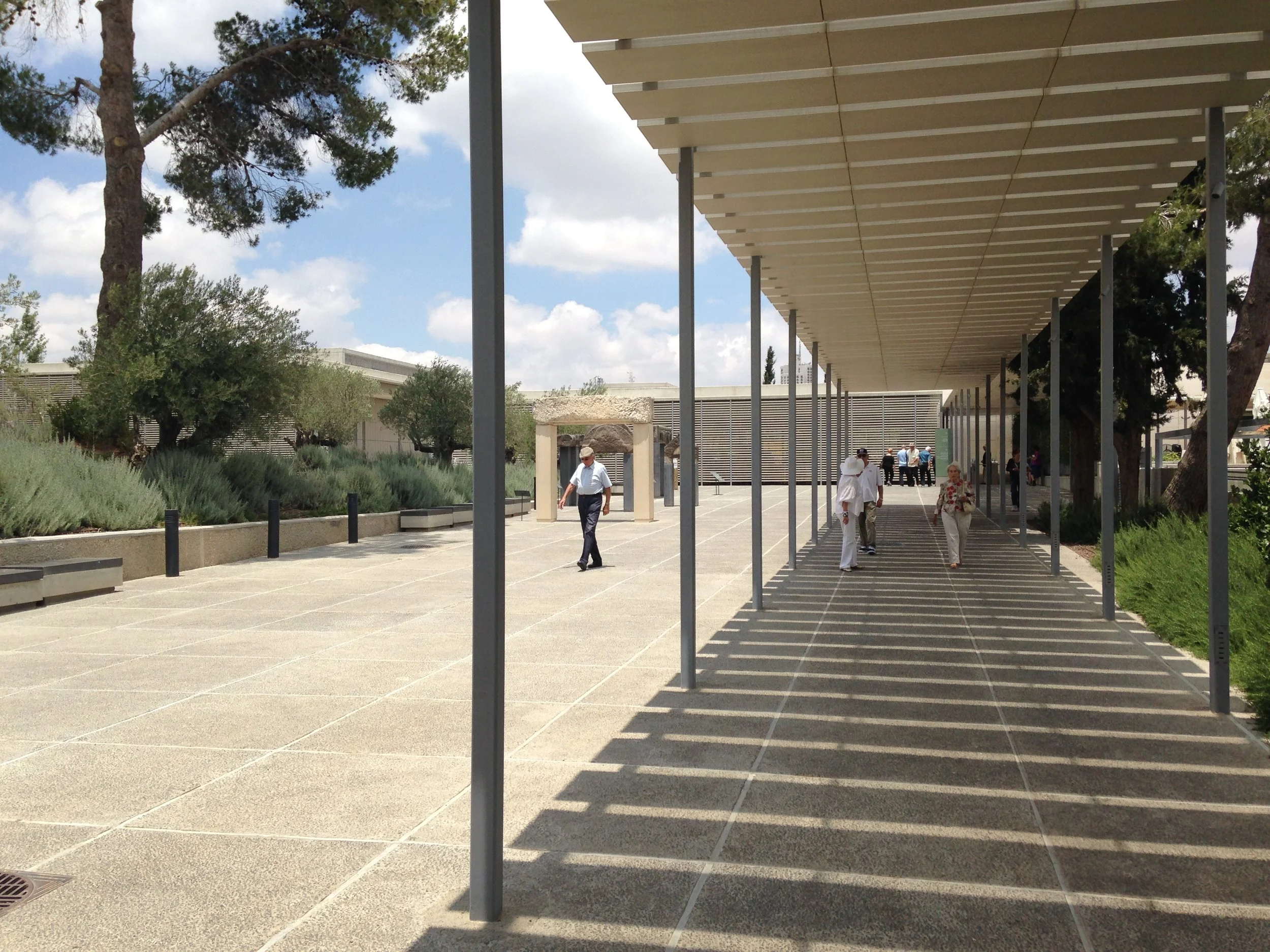
SHADE TRELLIS BETWEEN ENTRY BUILDING AND PASSAGE